Apple’s WWDC 2026 keynote was not a hardware show. It was a reset of Apple’s software story, centered on Siri AI, a broader Apple Intelligence rollout, expanded child safety tools, and a long list of quality-of-life updates coming across iPhone, iPad, Mac, Apple Watch, and Apple Vision Pro.
The headline is simple: Apple is trying to turn Apple Intelligence from a feature checklist into the connective tissue of its platforms. The new software releases — iOS 27, iPadOS 27, macOS 27, watchOS 27, and visionOS 27 — are expected this fall, while Siri AI is described as coming in English later this year.
Siri AI is the main event
The biggest announcement was the new Siri AI, powered by Apple Intelligence. Apple described it as a more conversational, more useful assistant that can answer broader questions, understand personal context, and take action across apps.
That matters because Siri has been Apple’s most obvious weak spot in the AI era. WWDC 2026 was Apple’s answer: Siri is no longer just a voice command layer. Apple is positioning it as a full assistant that can understand what you are doing, find the right information, and help complete tasks across the system.
- Natural back-and-forth conversations with Siri AI.
- Personal context, including the ability to surface relevant photos, emails, notes, and other information.
- Actions across apps like Messages, Music, Reminders, and more.
- Broader world knowledge with online information when needed.
- A new dedicated Siri app for continuing and pinning conversations across devices.
Apple also said Siri AI will not initially be available in the EU on iOS and iPadOS, and that availability in China is still tied to regulatory requirements. So while this is the keynote’s biggest promise, rollout details will matter.
Apple Intelligence is moving deeper into everyday apps
The next major theme was Apple Intelligence becoming more useful in the apps people already use. Instead of presenting AI as a separate destination, Apple showed it appearing inside Photos, Messages, Mail, Safari, Passwords, Shortcuts, Home, and Phone.
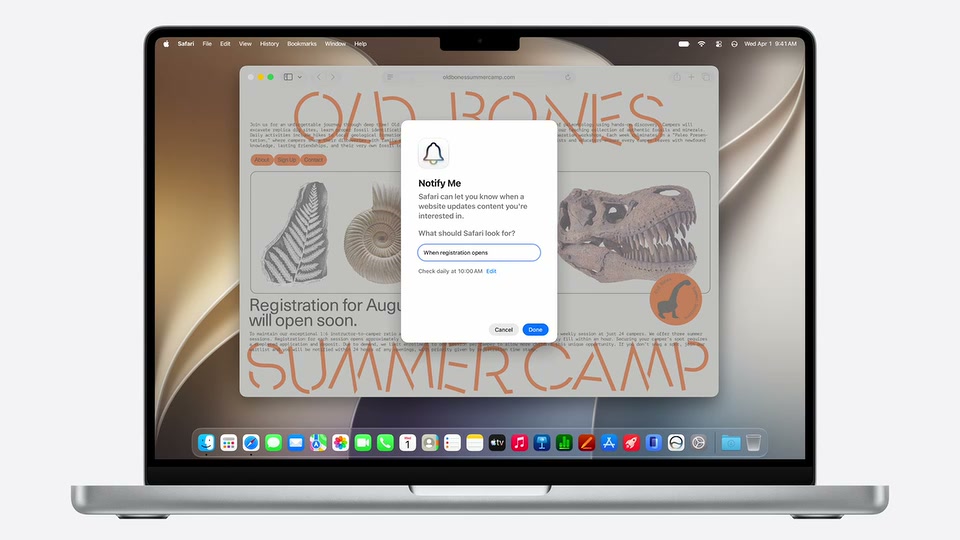
Safari is getting smarter tab organization, with Apple Intelligence grouping related tabs into topics. Apple also introduced Safari Notify Me, a feature that can monitor web pages for changes such as a restock, price drop, or updated availability.
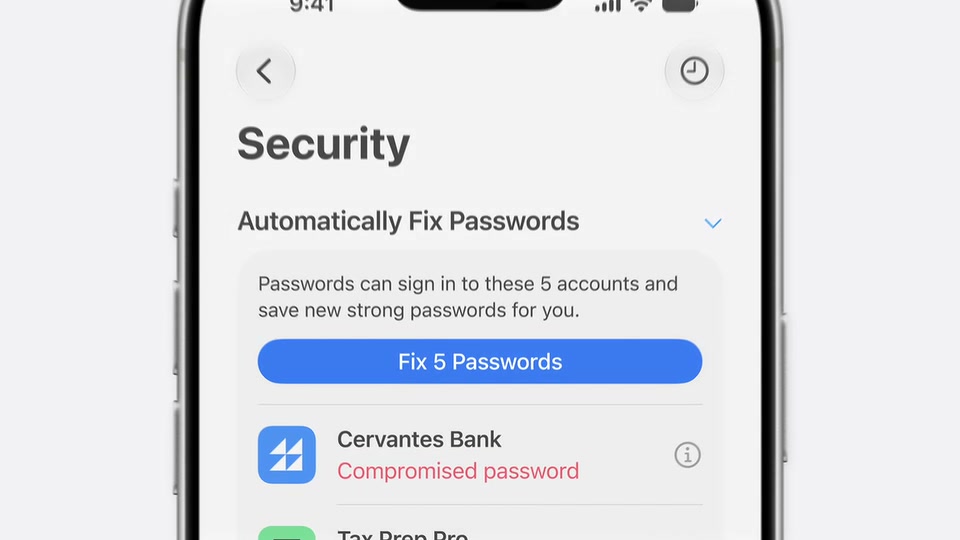
The Passwords app is also getting a practical upgrade. Apple showed a one-tap flow that can automatically fix eligible weak or compromised passwords, with Passwords and Safari working together to navigate the process.
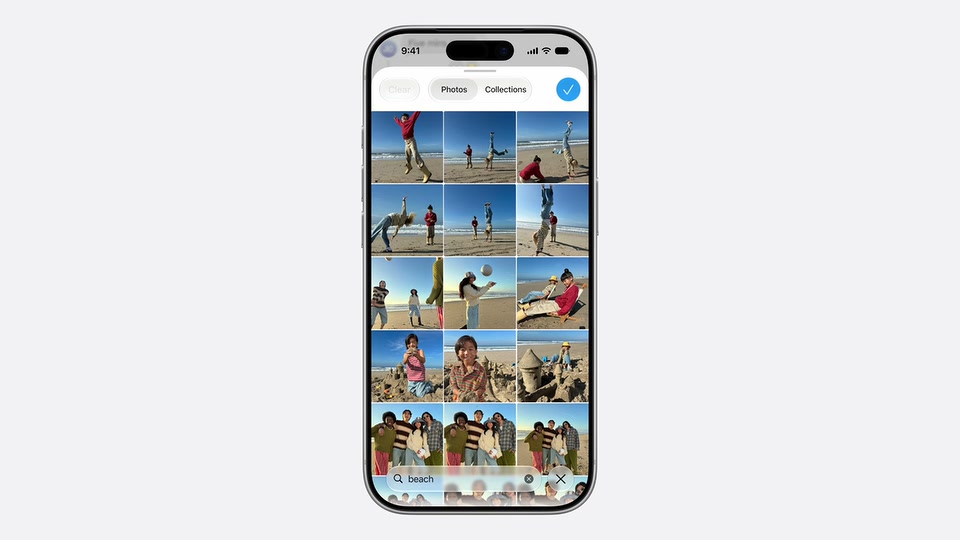
Messages and Mail will gain contextual suggestions, such as adding a calendar event or finding a photo from a conversation. Calendar can create events from a natural language description, and the Phone app can surface helpful context during calls, such as relevant confirmation details when calling a business.
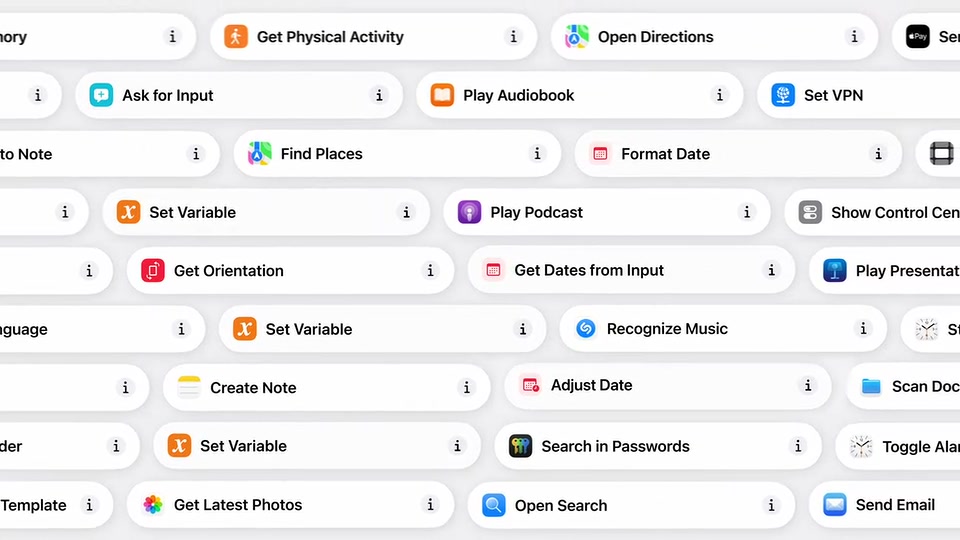
Shortcuts is also becoming easier to use. Instead of manually building a multi-step automation from scratch, users can describe what they want and let Shortcuts assemble the needed system and app actions.
Creative tools are getting a big AI push
Apple also spent time on creative features. Image Playground is being upgraded with higher-quality image generation and more styles, including photorealistic results. It will also become more integrated across the system and available to developers through an API.

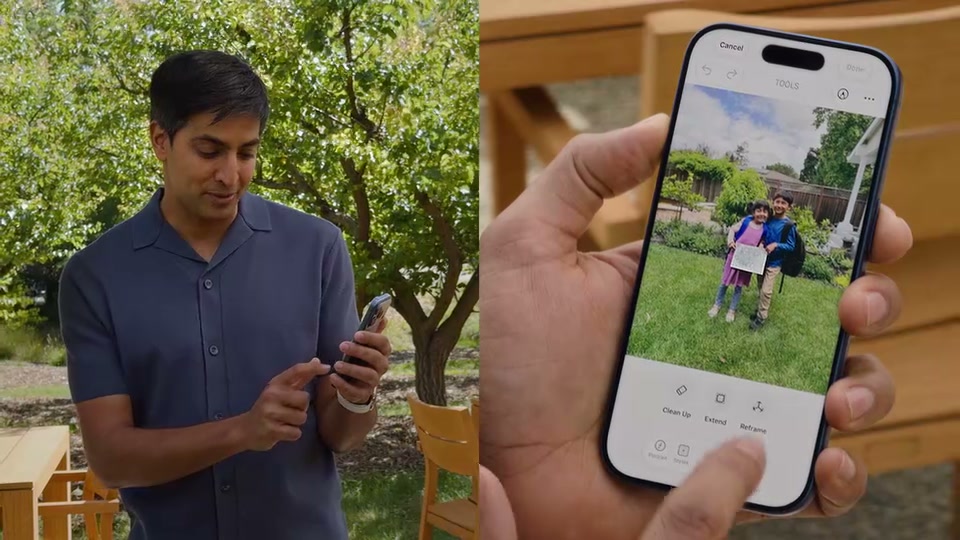
Photos is getting a set of more advanced editing tools powered by Apple Intelligence. Apple highlighted features such as Spatial Reframing, an Extend tool for expanding shots, and an enhanced Clean Up tool for removing larger objects.
Visual Intelligence expands beyond iPhone
Visual Intelligence is also moving to more devices. Apple said the feature is coming to iPad, Mac, and Apple Vision Pro. That means users will be able to search, ask questions, and take action based on what is on screen — or, in the case of Vision Pro, what they are looking at.
On iPhone, Apple is also integrating Siri mode into the Camera experience, making Visual Intelligence feel less like a separate feature and more like a natural way to ask questions about the world around you.
Child safety and parental controls received serious attention
One of the more meaningful sections of the keynote focused on child safety. Apple announced new and expanded tools intended to make parental controls easier to understand and easier to use.
- Setup Assistant options that let parents choose which system apps children can use from the start.
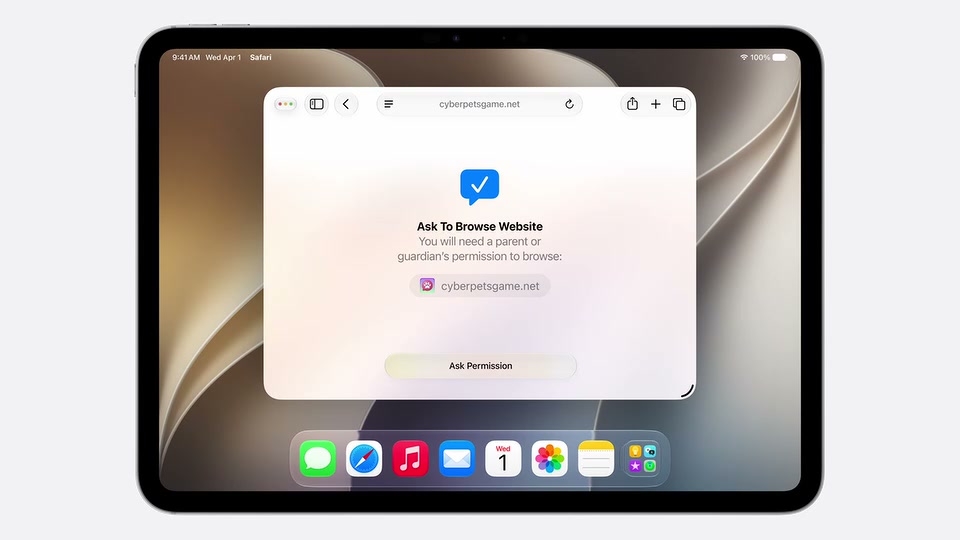
- Ask to Browse, where children request permission before visiting new websites.
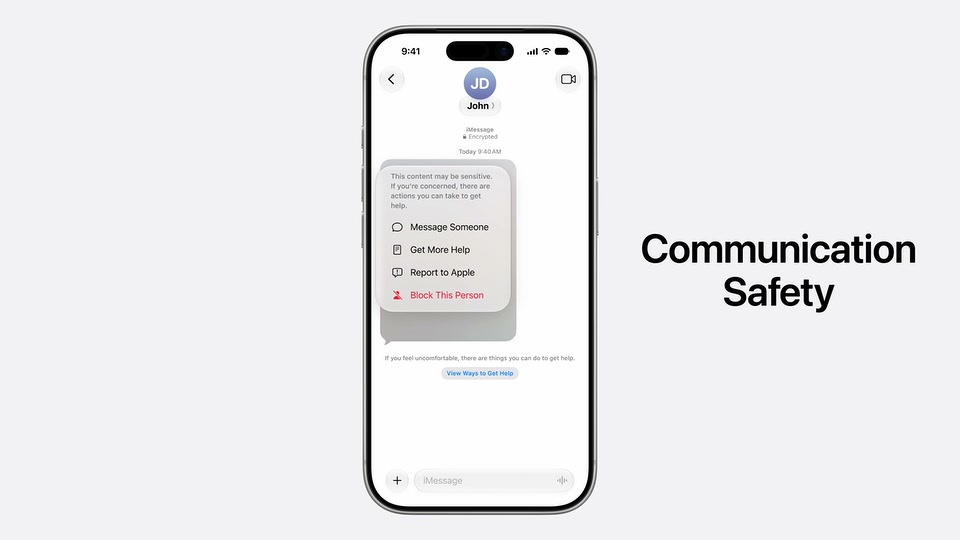
- Communication Safety expanding beyond nudity warnings to include gore and violence in shared images and videos.
- Time Allowances across categories like Games, Entertainment, and Social Media.
- Schedules that control which apps are available at different times or days.
- A redesigned parental controls area in Settings.
This was not the flashiest part of the keynote, but it could be one of the most important for families. Apple is trying to make safety controls less hidden and less intimidating, which is exactly where these tools need to improve.
The “little things” may be what people notice first
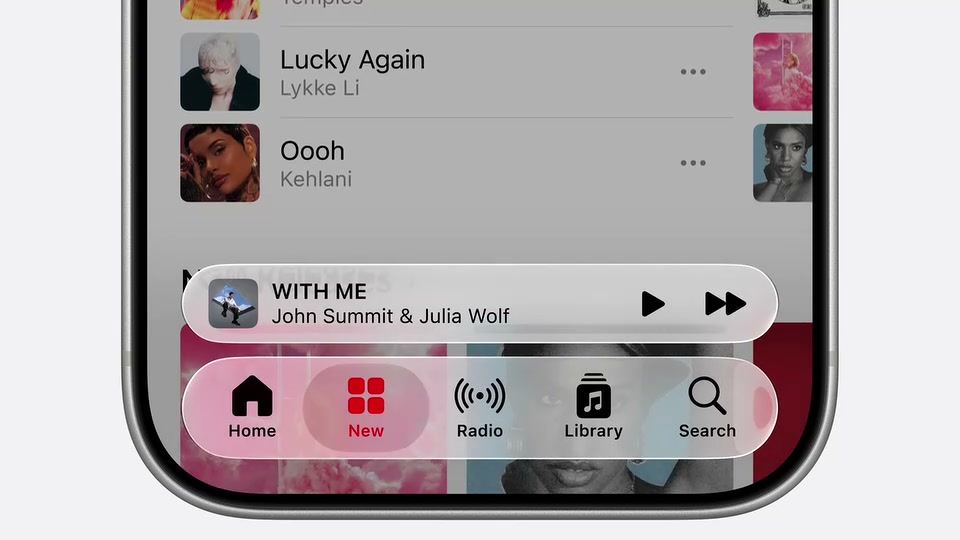
Beyond AI, Apple promised many everyday refinements. Liquid Glass is being adjusted for better readability, with more uniform refraction, better contrast, and a slider that lets users tune the look from clearer to more tinted.
Apple also called out faster app launches, quicker AirDrop transfers, smoother Wi?Fi and cellular transitions, and a better send indicator in Messages for photos and videos when bandwidth is limited. These are not keynote fireworks, but they are the kinds of updates that can make devices feel better day to day.
What is coming next
The new operating systems are expected this fall: iOS 27, iPadOS 27, macOS 27, watchOS 27, and visionOS 27. Siri AI is coming in English later this year, with developer access starting earlier and broader customer availability following in beta.
Apple Intelligence remains limited to supported hardware. Apple’s current list includes newer iPhone models, iPhone 15 Pro and iPhone 15 Pro Max, iPad and Mac models with M-series chips, iPad mini with A17 Pro, Apple Vision Pro, and supported Apple Watch models when paired with an Apple Intelligence-capable iPhone.
Our takeaway
WWDC 2026 was Apple’s attempt to make its AI roadmap feel real. Siri AI is the promise. Apple Intelligence in apps is the proof point. Child safety, performance, and design refinements are the practical layer that should make the updates feel useful even for people who do not care about AI branding.
The biggest question is execution. If Siri AI ships on time and works as Apple described, this could be a turning point for Apple’s software ecosystem. If it slips or feels limited, the rest of the updates will still be useful — but the story of WWDC 2026 will be remembered as another promise waiting to land.
For now, what we learned is that Apple wants the next generation of its platforms to be more personal, more proactive, and more helpful — without abandoning its usual emphasis on privacy, safety, and tight system integration.
Leave a Reply